
General information, not individual medical advice. This article cannot take account of your medical history, medicines or circumstances. Speak to a GP, pharmacist or other healthcare professional before making significant changes to what you eat or to any treatment, particularly if you have a medical condition, follow a prescribed diet, take medicines affected by food intake, are pregnant or breastfeeding, or have an eating disorder now or in the past.
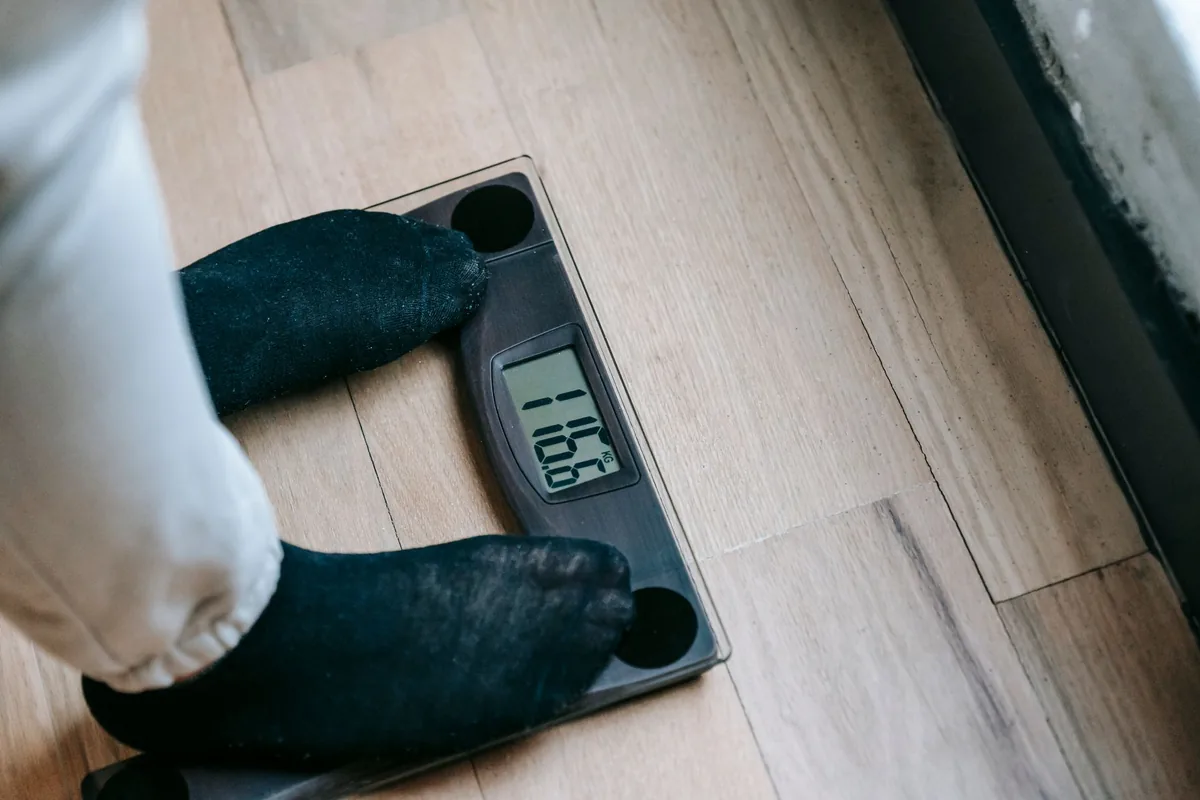
The NHS general guide is to aim for about 0.5 to 1kg of weight loss a week. That means roughly 1 to 2kg over two weeks is a common planning range, not a promise or a limit that everyone will meet. Your result depends on your starting point, health, routine and how consistently a plan fits your life.
A much larger drop on the scales can include changes in water and the amount of food in your digestive system. It does not mean the same amount of body fat has disappeared. Trying to force a dramatic number by eating almost nothing or becoming dehydrated can be harmful.
Can you lose 10kg in two weeks?
For most people, 10kg in two weeks is not a realistic fat-loss target. Trying to make the scale show that number through severe restriction, dehydration, laxatives or unregulated products can put your health at risk. A website that promises this result is selling a claim, not a reliable plan.
NICE reserves very-low-energy diets under 800 calories for selected people using specialist weight-management services. This is not a recommendation to attempt a crash diet on your own.
What can you do in 14 days?
Two weeks is enough time to set up a routine and learn which changes are practical. It is not enough time to judge your long-term outcome.
- Days 1–2: See the current pattern. Notice meals, snacks, drinks, eating out and weekend habits. Do not compensate by skipping meals.
- Days 3–4: Choose two changes. For example, replace a regular sugary drink, plan a satisfying lunch, measure cooking oil for a short period, or add vegetables and beans to a meal you already like.
- Days 5–7: Make the new routine easier. Shop for a few reliable breakfasts and lunches. Prepare one meal that can be used again. Decide how you will handle takeaway or social meals without writing off the whole week.
- Week 2: Repeat, then review. Keep the changes consistent. If weighing yourself is comfortable, compare weekly averages rather than reacting to one reading. If weighing increases distress or restrictive behaviour, track practical habits instead.
What changes make a sensible start?
- Eat regular meals that include foods you enjoy and can afford.
- Pay attention to drinks, sauces, spreads, cooking oil and snacks, which are easy to overlook.
- Choose foods that help meals feel satisfying, such as vegetables, fruit, beans, whole grains and suitable protein sources.
- Make a plan for the hardest part of the week, not only the easiest days.
- Add activity if it is comfortable and appropriate for you, but do not use exercise as punishment for eating.
The NHS guidance on calories says reducing intake by around 600 calories a day is a general guide for adults. It is not the right target for everyone. You do not need to calculate a precise number before making simple, balanced changes.
Why the scale can be confusing
Body weight moves from day to day. Hydration, salty meals, digestion and, for some people, the menstrual cycle can affect a reading. Weighing under similar conditions and watching the trend over time is more informative than trying to interpret every change.
If a two-week result is smaller than expected, that does not mean you have failed. Review whether the plan was doable and consistent before cutting portions further. If you are losing weight unexpectedly or feel unwell, speak to a healthcare professional.
When to get individual advice
Talk to a GP or healthcare professional before making substantial changes if you have a medical condition, follow a prescribed diet, take medicines affected by food intake, or have an eating disorder now or in the past. If you are pregnant or under 18, do not use an adult weight-loss plan without professional guidance.
Common questions
Can I lose weight in two weeks?+
Is losing 10kg in two weeks realistic?+
Should I exercise to make the result faster?+
Sources
- NHS: Tips to help you lose weight
- NICE NG246: Overweight and obesity management
- NHS: Understanding calories
Links checked on 25 September 2026.
Date Written:
12/06/2026
Role:
Clinical Pharmacist
Date Checked:
12/06/2026
Role:
Pharmacist
Wondering whether treatment is an option?
Check your BMI against the UK eligibility thresholds, or complete a free online assessment and a GPhC-registered prescriber will review whether treatment is appropriate for you.